logo

Top Benefits of Prebuilt Houses in 2025 You Should Know About

As we move towards 2025, the housing market is witnessing significant transformations, with prebuilt houses emerging at the forefront of these changes. These innovative dwellings, often crafted in a factory setting and assembled on-site, offer a myriad of advantages that cater to modern lifestyle demands. The trend towards prebuilt houses is not merely a response to evolving preferences but also a strategic solution to pressing issues such as housing shortages, environmental sustainability, and affordability.

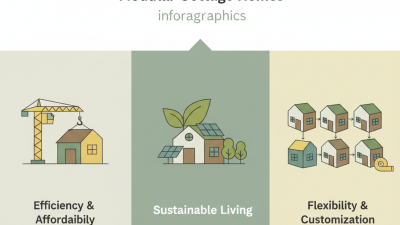
One of the most compelling benefits of prebuilt houses is their efficiency in construction time and costs. Unlike traditional building methods that can take several months or even years, prebuilt homes can be constructed in a matter of weeks. This rapid development allows homeowners to move into their new residences sooner, minimizing the financial burden associated with lengthy construction processes. Additionally, prebuilt houses often incorporate eco-friendly materials and energy-efficient technologies, aligning with the growing emphasis on sustainable living in today’s society.

Moreover, prebuilt houses provide unparalleled flexibility in design, catering to a diverse range of aesthetic preferences and functional needs. With customization options available, homeowners can tailor their living spaces to perfectly match their lifestyles, making prebuilt houses an attractive option for individuals and families alike. As we delve deeper into the top benefits of prebuilt houses in 2025, it becomes evident that these homes represent a forward-thinking solution in a rapidly evolving world.

Top Benefits of Prebuilt Houses in 2025 You Should Know About

Advantages of Time Efficiency in Prebuilt House Construction by 2025

Top Benefits of Prebuilt Houses in 2025 You Should Know About

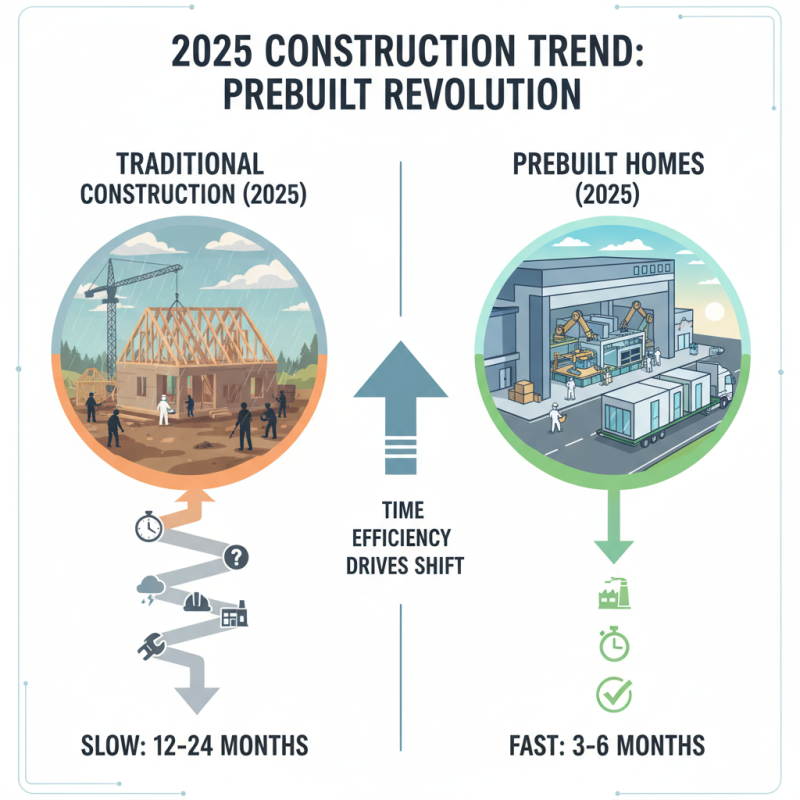
In 2025, the construction industry is experiencing a significant shift towards prebuilt houses, largely driven by the advantages of time efficiency. Traditional construction methods often involve lengthy timelines, disrupted by various factors such as labor shortages, weather conditions, and supply chain delays. In contrast, prebuilt houses offer a streamlined approach, where sections of the home are constructed in controlled environments before being transported to the final site. This preconstruction process can substantially reduce the overall building time, allowing homeowners to move into their new residences much faster.

Another compelling aspect of prebuilt houses is the reduction of on-site labor requirements and associated delays. With much of the work completed off-site, the time spent on-site is minimized, decreasing the risks associated with weather interruptions and other unexpected events. Additionally, the pre-manufactured components often come with precise measurements and quality checks, leading to fewer construction errors and a smoother assembly process on location. This efficiency not only benefits homeowners by expediting their move but also allows builders to take on more projects within shorter timeframes, enhancing productivity in an increasingly competitive market.

Cost Effectiveness: How Prebuilt Houses Lower Construction Expenses

Prebuilt houses are increasingly recognized for their cost-effectiveness, making them an appealing choice for homebuyers in 2025. One of the most significant advantages of these structures is the substantial reduction in construction expenses. Traditional building methods can involve lengthy timelines, which often lead to rising costs due to labor and material price fluctuations. In contrast, prebuilt houses are designed and assembled in controlled environments, allowing for better resource management and minimized waste. This streamlined approach not only saves money but also accelerates the overall construction process.

Furthermore, prebuilt houses typically require less manual labor during assembly, significantly lowering labor costs. With pieces manufactured off-site and transported for quick installation, homeowners can bypass some of the prolonged costs associated with conventional building methods. Additionally, these homes can be constructed with energy-efficient materials and designs, leading to lower utility bills in the long term. As awareness of environmental sustainability increases, buyers are finding that choosing a prebuilt house not only aligns with their budget but also contributes to a greener living solution. This blend of immediate economic benefits and long-term savings positions prebuilt houses as a smart investment for the future.

Cost Effectiveness of Prebuilt Houses in 2025

This chart illustrates the average cost savings associated with prebuilt houses compared to traditional construction methods in 2025. The data indicates significant reductions in expenses across various categories.

Sustainability and Eco-Friendliness in Prebuilt Housing Developments

Top Benefits of Prebuilt Houses in 2025 You Should Know About

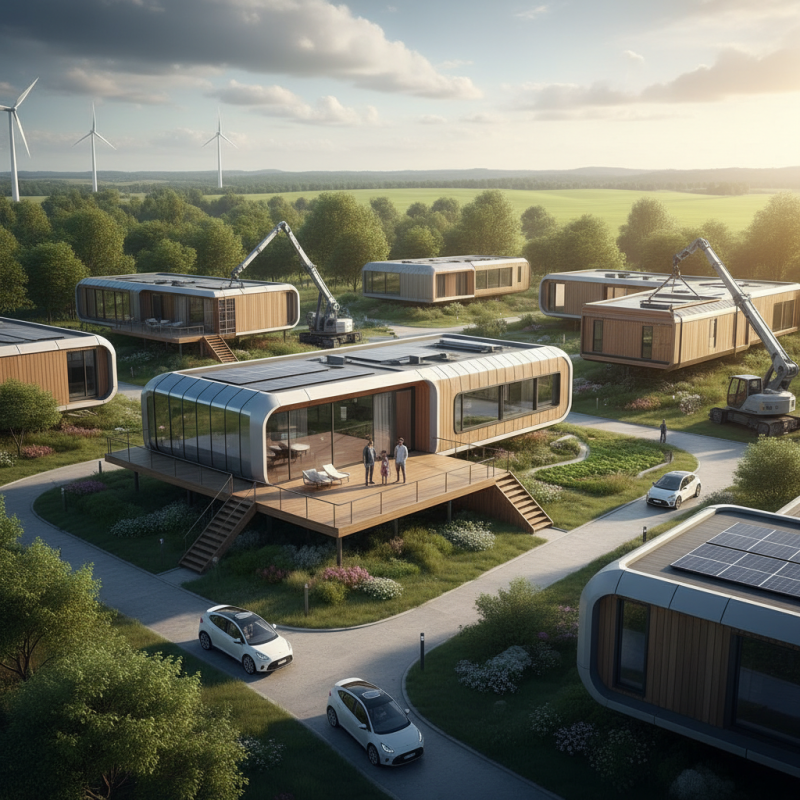
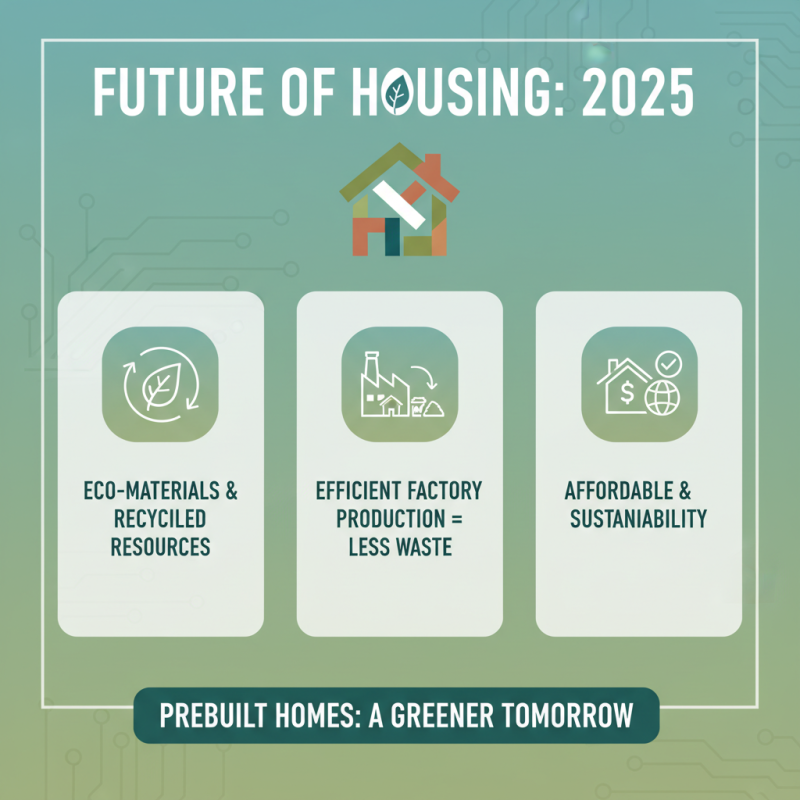
In 2025, prebuilt houses are set to become a beacon of sustainability and eco-friendliness, responding to increasing environmental concerns and the urgent need for efficient resource management. These homes are constructed with eco-conscious materials that minimize carbon footprints, utilizing recycled and renewable resources that significantly reduce waste. The factory-based production process of prebuilt houses allows for more precision and less material loss compared to traditional building methods. This efficiency not only lessens the impact on the environment but also ensures that these homes are both affordable and accessible, providing a viable solution for environmentally aware consumers.

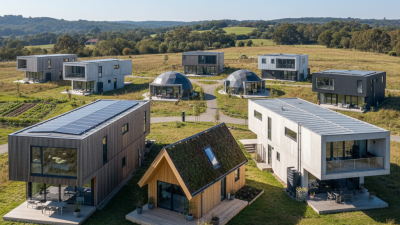
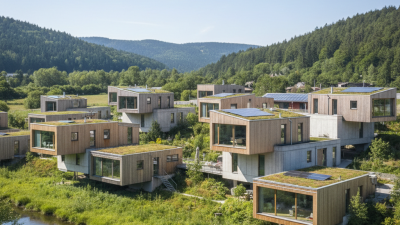
Moreover, many prebuilt housing developments incorporate innovative technologies aimed at enhancing sustainability. Features such as solar panels, green roofs, and energy-efficient appliances are becoming standard, promoting the use of renewable energy and decreasing dependency on fossil fuels. Smart home integration allows homeowners to monitor and optimize their energy consumption, leading to further reductions in utility costs and environmental impact. As awareness grows around the importance of sustainable living, prebuilt houses are poised to offer a compelling alternative for those looking to reduce their ecological footprint while enjoying the comforts of modern housing.

Customization Options for Prebuilt Homes: Meeting Modern Homebuyer Needs

As the demand for prebuilt houses continues to grow in 2025, customization options have become a pivotal aspect for modern homebuyers. One of the most appealing features of prebuilt homes is the flexibility they offer. Buyers are no longer limited to a one-size-fits-all solution; instead, they can tailor their homes to reflect their personal styles and meet their specific needs. From selecting floor plans and materials to incorporating eco-friendly technologies, customization has transformed the homebuying experience.

Moreover, advancements in construction technology have made it easier than ever for buyers to personalize their living spaces. Whether it’s choosing an open-concept design or integrating smart home features, the possibilities are virtually endless. This level of customization not only enhances the aesthetic appeal of the home but also improves functionality, allowing homeowners to create spaces that are perfectly aligned with their lifestyles. Understanding the importance of individual preferences, manufacturers are increasingly offering a range of options to ensure each home is a unique reflection of its owner.

Technological Innovations Enhancing Prebuilt House Quality and Durability

In 2025, prebuilt houses are set to revolutionize the housing market, thanks to significant advancements in technology that enhance both quality and durability. One of the key innovations is the application of modular construction techniques, which allow for the precise prefabrication of components in controlled environments. According to a report by the Modular Building Institute, this method can reduce construction time by up to 50%, while maintaining a level of quality that rivals traditional building methods. The integration of advanced materials such as cross-laminated timber and high-performance insulation systems is also contributing to improved energy efficiency and overall resilience of prebuilt structures.

Additionally, the rise of smart home technology is further elevating the standards of prebuilt homes. Features like IoT-enabled appliances and energy management systems enhance usability and sustainability. A study from McKinsey & Company highlights that homes equipped with smart technology can achieve energy savings of 10-30% annually. This not only translates into lower utility costs for homeowners but also aligns with broader environmental goals by reducing the carbon footprint of residential buildings. As more consumers recognize these benefits, the demand for prebuilt homes is expected to increase, solidifying their place as a viable and innovative housing solution in the years to come.

Top Benefits of Prebuilt Houses in 2025 You Should Know About - Technological Innovations Enhancing Prebuilt House Quality and Durability

Feature Description Benefit
Smart Home Technology Integration of IoT devices for home automation Increased energy efficiency and convenience
Sustainable Materials Use of recycled and eco-friendly building materials Lower environmental impact and better indoor air quality
Modular Design Flexible floor plans that can be customized Adaptability to changing family needs and preferences
Energy Efficiency Advanced insulation and energy-saving technologies Reduced utility bills and enhanced comfort
Rapid Construction Prefabricated components allow for faster assembly Shorter wait times for homeowners
High Durability Enhanced resistance to weather and wear Lower maintenance costs and increased lifespan