logo

Top Prefabricated Houses Benefits and Trends in Modern Living?

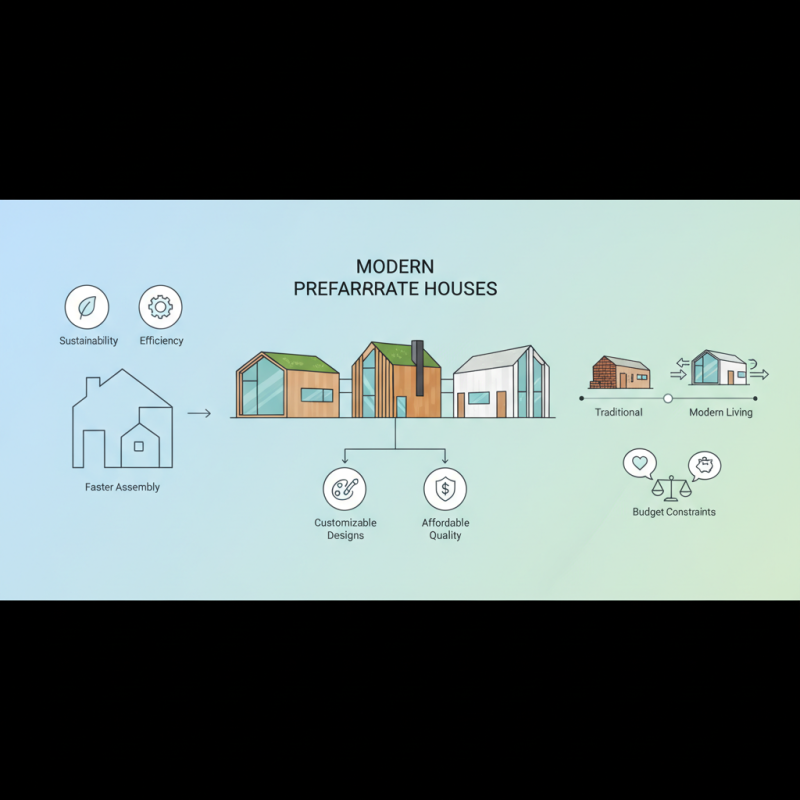
In recent years, the trend of "maison prefabriquees" has gained significant momentum in modern living. Renowned industry expert Jacques Moreau emphasizes, "Prefabricated houses are not just a trend; they redefine contemporary living." With sustainability and efficiency as focal points, these homes offer innovative solutions for today's housing challenges.

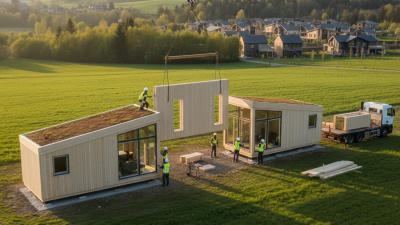
These homes are constructed off-site, allowing for faster assembly. They are designed with eco-friendly materials, promoting greener living. However, some may question the durability and aesthetic appeal of prefabricated houses. The perception often lies in the misconception that these homes lack character. In reality, many designs are customizable, catering to diverse preferences.

The growth of "maison prefabriquees" reflects a shift in consumer values. People seek affordable housing without sacrificing quality. Yet, this shift requires balancing personal tastes with budget constraints. The evolving landscape presents both opportunities and challenges for homeowners and builders alike. As the trend continues, it prompts reflection on what defines a home: permanence or adaptability.

Top Prefabricated Houses Benefits and Trends in Modern Living?

Benefits of Prefabricated Houses: Cost Efficiency and Time Savings

Top Prefabricated Houses Benefits and Trends in Modern Living?

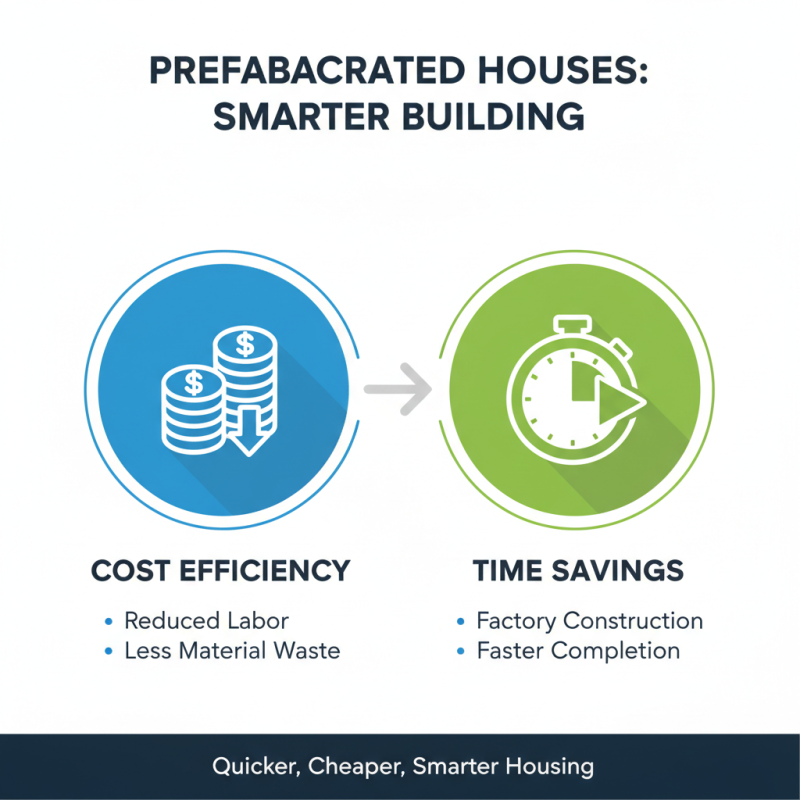
Prefabricated houses are gaining popularity for various reasons. One major advantage is cost efficiency. These homes are often less expensive to build than traditional houses. Much of the construction occurs in factories, which reduces labor costs. This approach also minimizes waste, leading to savings that can be passed on to buyers.

Time savings are another significant benefit. Traditional building can take months, even years, to complete. In contrast, prefabricated homes can be assembled quickly on-site. This rapid construction is appealing, especially for those in urgent need of housing. However, it's important to consider potential delays during the design phase. Customization requests can extend timelines.

While prefabricated houses offer many advantages, challenges exist. Standard designs may not suit everyone’s taste. Buyers should weigh their options carefully. The balance between prefabricated efficiency and personal style is a delicate one. In the end, these homes could redefine modern living for many.

Sustainability in Building: Eco-Friendly Materials and Energy Efficiency

Sustainable building practices are gaining traction. Eco-friendly materials are at the forefront. According to the 2022 U.S. Green Building Trends report, 48% of professionals prioritize sustainable products. This shift is evident in modern prefabricated houses. They often use recycled or renewable materials, reducing overall environmental impact.

Energy efficiency plays a critical role in these homes. Prefabricated designs can improve energy performance by up to 20%. Features like high-performance insulation and energy-efficient windows are common. Studies show that these designs can lower utility bills by 30-50%. However, not all prefabricated houses achieve optimal energy efficiency. Homeowners must ensure quality construction and proper installation to reap these benefits.

Despite progress, challenges remain. Many builders struggle with sourcing sustainable materials. Costs can be higher than traditional options. Market demand can lag behind production capabilities. This mismatch raises questions about long-term sustainability in the industry. Homebuyers must weigh their options carefully while considering eco-friendly solutions.

Customization Trends: Modern Designs and Flexible Layout Options

Customization in prefabricated houses is transforming modern living. Homeowners seek designs that reflect personal styles and lifestyles. According to a recent industry report, 70% of buyers now demand customizable layouts. This trend shows that flexibility is vital for today’s homeowners.

Modern designs embrace open floor plans and modular spaces. These features allow for better space utilization. Homeowners can easily adapt their living areas to various needs. For example, a room can serve as an office during the week and a guest bedroom on weekends. The ability to customize interior layouts is a critical factor for many.

**Tips:** Consider future needs when designing your space. Will you need an extra room later? Think about how your lifestyle may change. Sustainable materials are also essential. Sustainable design contributes positively to the environment and boosts home value.

With the rise of sustainable living, eco-friendly materials are gaining popularity. Many homeowners prioritize energy efficiency and low maintenance. However, not all prefabrication companies offer eco-friendly options. It's crucial to research and choose wisely. A poor choice now can lead to significant regrets later.

Market Growth: Statistics on Prefabricated House Popularity and Demand

The popularity of prefabricated houses continues to grow. Recent statistics reveal that this market is expanding rapidly. In the last decade, demand for these homes has risen by over 30%. Many buyers are attracted to affordability and the speed of construction. Prefabricated homes can be built in a fraction of the time compared to traditional methods. This efficiency appeals to those seeking quick housing solutions.

However, challenges remain. Some people question the quality of prefabricated homes. There are perceptions that they lack character and longevity. Many prefabricated houses are designed with sustainability in mind. Yet, concerns about recycled materials persist. The trend shows a shift towards custom designs, yet not all manufacturers offer personalization. As the industry evolves, balancing affordability with quality will be crucial. Buyers must reflect on what they truly value: speed, cost, or individuality in their homes.

Top Prefabricated Houses Benefits and Trends in Modern Living

Benefits/Trends Statistics
Reduced Construction Time 30-50% faster than traditional building methods
Cost Efficiency Up to 20% lower costs
Sustainability 40% lower carbon footprint
Customization Options 70% of buyers prefer customizable designs
Popularity Growth Market growth rate: 15% annually
Modern Design Trends 80% of new builds feature modern styles
Energy Efficiency Up to 50% savings in energy costs
Market Demand Increasing demand due to affordability

Future Innovations: Technologies Shaping the Prefabricated Housing Industry

Top Prefabricated Houses Benefits and Trends in Modern Living?

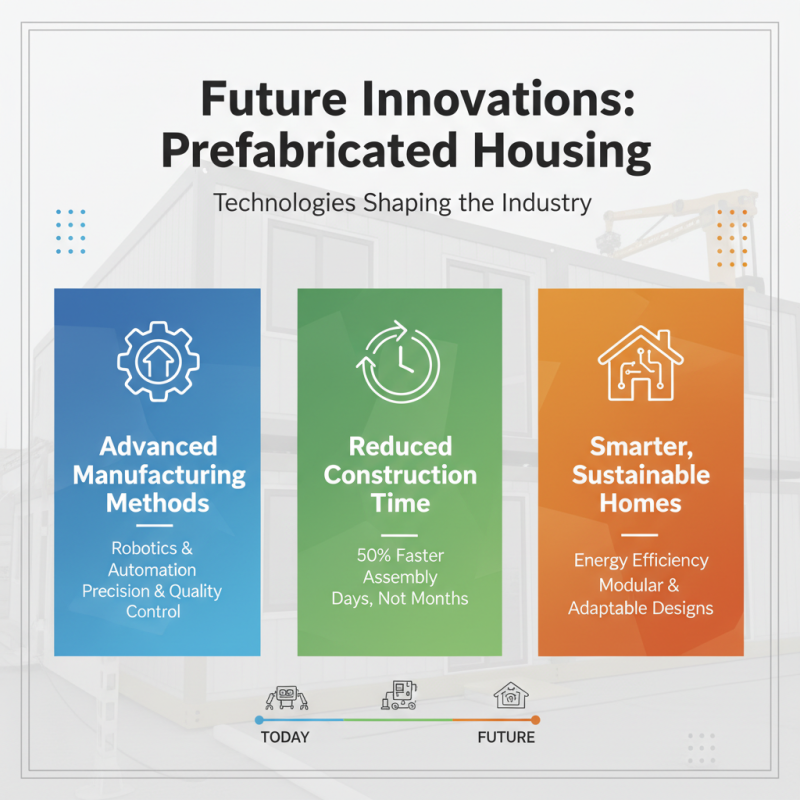
The prefabricated housing industry is undergoing rapid transformation. Future innovations are driven by new technologies that promise to reshape how we live. In recent years, the industry has adopted advanced manufacturing methods. These methods reduce construction time by up to 50%. Prefabricated homes can be assembled in days, not months.

3D printing is one of the most exciting trends. This technology allows for customized designs with minimal waste. A recent report states that 3D-printed homes could reduce costs by 40%. Innovative materials, like eco-friendly composites, are gaining traction too. However, challenges remain. High initial costs and regulatory issues slow down widespread adoption.

Smart home technologies are also influencing prefabricated housing. Many homes now come equipped with energy-efficient systems. These features enhance convenience and sustainability. But some homeowners face a steep learning curve with smart technology. It's crucial for the industry to address these gaps. Continuous improvement is key as we build for the future.