What is a Ball End Mill and How is it Used in Machining?
The Ball End Mill is a vital tool in the machining industry. It excels in creating complex shapes and contours. According to a recent market report, the global milling tools market is projected to reach $7.6 billion by 2025. This growth partly stems from the rising demand for precision machining. Ball End Mills play a significant role in meeting this demand.
Precision is crucial in industries like aerospace and automotive. These sectors often require intricate designs with fine details. Ball End Mills enable manufacturers to achieve this level of precision. However, not all applications benefit from their use. For soft materials, other tools may be more effective. Machinists must carefully evaluate the right tool for each task.
Understanding the Ball End Mill's capabilities is essential. Despite their versatility, they can sometimes be costly and may wear out quickly. Proper maintenance and usage are critical. Thus, practitioners must remain mindful of their choices. This balance of cost and performance is an ongoing challenge in machining operations.
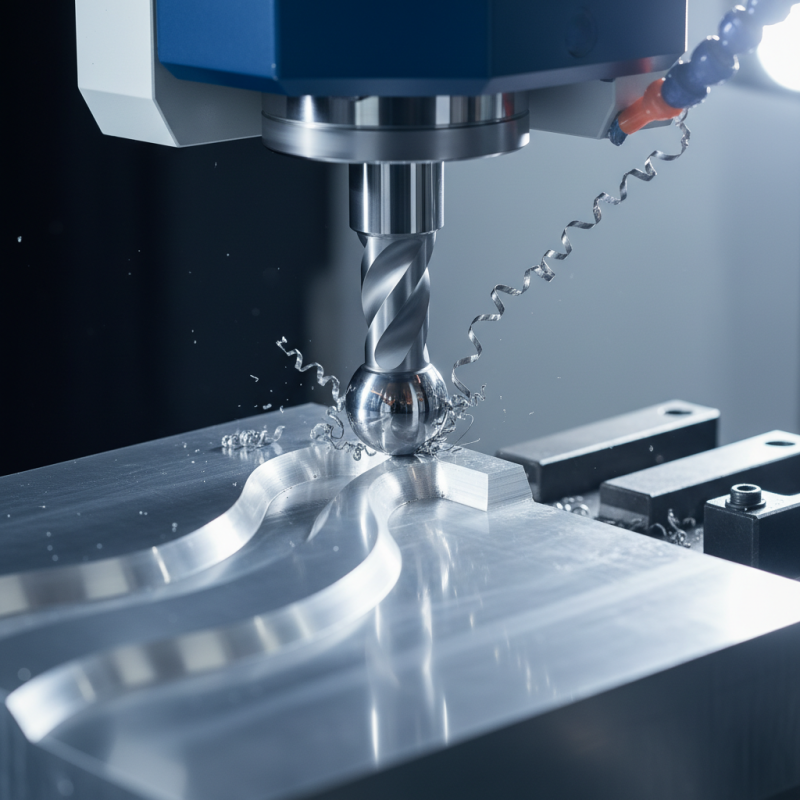
A ball end mill is a type of milling cutter utilized in machining processes. Its unique shape features a hemispherical end, which allows it to create intricate shapes and smooth contours. Machinists often choose ball end mills for tasks like profiling, 3D contouring, and machining complex surfaces. The rounded tip enables it to cut in any direction, making it versatile for various applications.
Using a ball end mill can produce precise and detailed features. For instance, in aerospace and automotive industries, parts with complex geometries require accuracy. A ball end mill allows for fine detailing that flat end mills cannot achieve. This tool is particularly effective in creating rounded edges and slots. However, it might not always perform efficiently on flat surfaces.
Understanding the limitations of a ball end mill is crucial. This tool may wear out faster than other types because of its design. The depth of cut also affects its performance. Deep cuts can lead to breakage or reduced accuracy, requiring careful consideration during operation. Thus, while the ball end mill is powerful, it demands skill and awareness of its capabilities.
The Anatomy of a Ball End Mill
The anatomy of a ball end mill is fascinating. This tool features a rounded tip, designed specifically for creating complex contours and intricate shapes. The rounded cutting edges allow it to produce curved surfaces. It excels in 3D machining applications, often used in tool and die making.
The design includes multiple flutes, which enhance chip removal efficiency. Flutes help in minimizing friction during cutting. The diameter of the ball end mill affects the depth of cut and surface finish. A smaller diameter can create finer details but may require a slower feed rate. In contrast, larger diameters can tackle more material but risk losing precision.
The materials used for ball end mills also play a role. High-speed steel and carbide are common choices. Each material has its own advantages. Carbide tools are more durable, while high-speed steel tools are often cheaper. Users must weigh these factors when selecting a tool to meet their needs. Understanding these nuances is crucial for successful machining outcomes.
Common Applications of Ball End Mills in Machining
Ball end mills are crucial tools in the machining industry. They excel in creating smooth, contoured surfaces. These mills are widely used in various applications, especially in industries like aerospace, automotive, and mold-making. According to a recent industry analysis, ball end mills account for approximately 20% of all milling tool sales.
They are particularly effective for 3D machining. Designers often rely on ball end mills for intricate shapes and detailed work. This efficiency can reduce cycle times significantly. For instance, machining a complex component can see time reductions of up to 30% when using these tools. However, achieving the desired finish often requires precise control. Improper speeds or feeds can lead to subpar surface quality, emphasizing the need for careful setup.
In addition to precision, ball end mills can handle a range of materials. They are used on metals, plastics, and composites. A study revealed that they performed well on a variety of substrates but highlighted the importance of tool wear monitoring. As tools wear, their performance diminishes, impacting overall production quality. Understanding these factors is essential for manufacturers seeking to optimize their machining processes.
Advantages of Using Ball End Mills
Ball end mills are versatile tools in machining. They have a rounded end that allows for complex shapes and arcs. One key advantage is their ability to create 3D contours. This makes them ideal for intricate designs, like molds and dies. They can produce smooth surfaces that require less finishing.
Tips: When using a ball end mill, choose the right diameter for your project. Smaller diameters work well for detailed work. Larger diameters are suited for quicker material removal.
Another advantage is their efficient chip removal. The rounded shape prevents clogging, which is common with flat end mills. This leads to improved tool life and consistent results. Their design also allows for better access to tight spaces.
Tips: Keep the spindle speed in mind. A higher speed may work for softer materials. But harder materials require slower speeds to avoid damage. Adjusting feed rates can also enhance performance.
Being aware of tool wear is critical. A worn ball end mill may produce inconsistent results. Regularly inspect your tools to maintain quality. Consider the material you are machining. Different materials will affect how quickly a tool wears down.
Selecting the Right Ball End Mill for Your Project
When selecting a ball end mill for machining, consider several factors. Its design allows for curved surfaces and complex shapes. According to industry reports, over 30% of machining projects require this type of end mill due to its versatility. The right selection can enhance precision and productivity.
Material choice is crucial. Carbide mills are popular for their durability. They perform well on hard materials, while high-speed steel offers cost-effectiveness for softer substrates. Reports indicate that choosing the correct material can impact tool lifespan by up to 50%.
Flute count also matters. A two-flute end mill is great for chip removal, while a four-flute option provides smoother finishes. However, more flutes can lead to heat buildup. Understanding your specific project needs can make a significant difference. Specific applications might still favor one type over another, leading to potential inefficiencies if not carefully considered.