logo

What is Animal Study and Why is it Important?

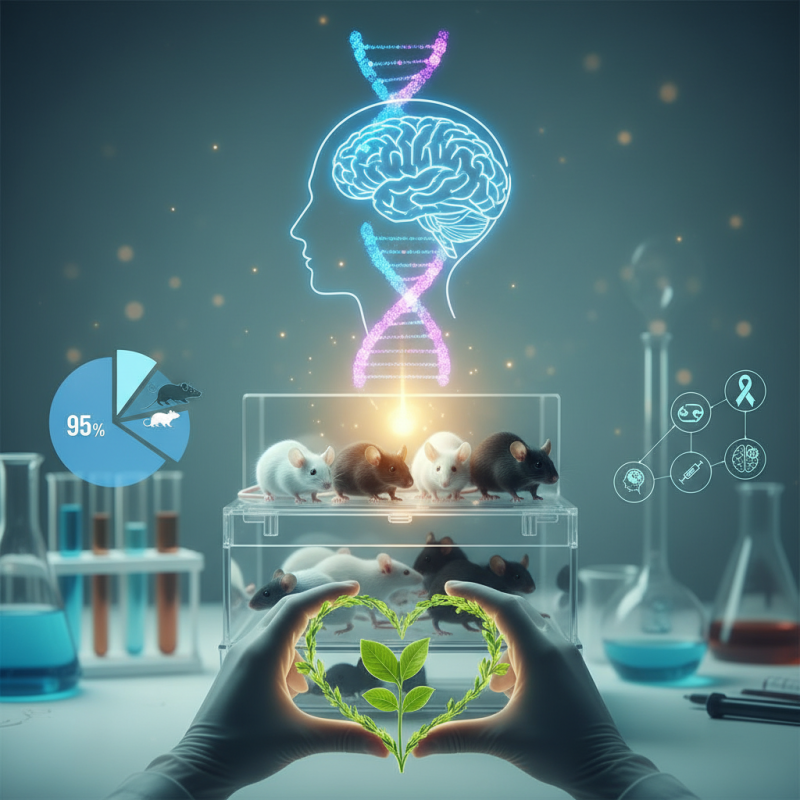
Animal study is a critical aspect of scientific research. It plays a pivotal role in understanding disease mechanisms and testing new therapies. According to the National Institutes of Health (NIH), over 95% of the animals used in research are rodents. This statistic emphasizes the reliance on animal studies in biomedical research.

These studies contribute significantly to medical advancements. The American Medical Association notes that animal studies have led to major breakthroughs in treatments for cancer, diabetes, and other diseases. However, they are not without ethical dilemmas. The treatment of animals in research raises questions and reflections on humane practices.

Despite the well-documented benefits, one must consider the limitations. Animal biology does not always translate to human biology perfectly. Differences between species can lead to unexpected results, urging researchers to be more thoughtful in their design and methodologies. Engaging in animal study requires balancing scientific progress with ethical responsibility.

What is Animal Study and Why is it Important?

Definition of Animal Study and Its Core Principles

Animal studies are essential to biomedical research. They help us understand human diseases better. According to a report by the National Institutes of Health, around 95% of all biomedical research uses animals at some stage. This reveals the core principle of animal studies: they provide a way to translate findings from the lab to potential treatments for humans.


Core principles of animal study revolve around ethical considerations, welfare, and scientific validity. Researchers must ensure humane treatment for the animals involved. Reports indicate that up to 12% of animal subjects experience distress due to experimental procedures. This calls for continuous evaluation and improvement in methods. Respecting animal welfare is crucial but challenging, as ethical dilemmas often arise.


Moreover, animal studies have limitations. The species gap can sometimes lead to inaccurate predictions about human responses. Research shows that 90% of drugs that pass animal tests fail in human trials. This suggests the need for balancing animal studies with alternative methods. Striving to refine experimental designs is vital. Science must evolve, refining its approach while learning from past shortcomings.

Historical Background of Animal Research in Scientific Progress

The historical background of animal research shows its vital role in scientific advancements. In the 19th century, the use of animals in research became more structured. Scientists began to understand diseases and develop vaccines. For instance, the rabies vaccine was created using animal subjects. This landmark achievement exemplified how studying animals can lead to significant breakthroughs.

The numbers speak volumes. According to a report from the National Institutes of Health, over 90% of Nobel Prizes in Physiology or Medicine involved research utilizing animal models. These studies have paved the way for insights into human health. However, challenges arise from ethical considerations. Balancing scientific advancement with animal welfare remains a contentious issue.

Tips: Choose alternatives when you can. Consider computer models or in vitro methods. They can reduce animal use significantly. Reflecting on past practices helps improve current methodologies. Continued dialogue about ethics in research is essential for progress. It fosters innovation while maintaining responsibility.

Key Methodologies Used in Animal Studies and Their Applications

Animal studies play a crucial role in biomedical research. Researchers utilize various methodologies to explore complex biological systems. One common approach is the use of rodents. Rodents are small, easy to handle, and share genetic similarities with humans.

Another methodology involves in vivo imaging techniques. These techniques allow researchers to observe biological processes in real time. A 2020 report indicated that over 80% of drug candidates fail in human trials, underlining the importance of effective animal studies beforehand. They help identify potential side effects and effectiveness earlier.

Additionally, primate studies can offer insights not available from rodent models. However, these studies raise ethical questions. The necessity of using higher animals for certain research is still debated. This discomfort highlights a need for continuous ethical review in the animal research field. Developing alternatives or refining existing methods is a pathway worth exploring.

Importance of Animal Studies in Research

Ethical Considerations and Regulations in Animal Research

Animal research plays a crucial role in advancing medical science. However, ethical considerations are imperative in this field. Research shows that over 90% of medical treatments and procedures are developed using animal studies. Despite the importance, this raises significant ethical questions about animal welfare.

Regulations vary globally. In many regions, researchers must follow strict guidelines. These include minimizing pain and ensuring proper housing for animals. The 3Rs principle—Reduce, Replace, and Refine—encourages researchers to limit animal use and enhance welfare. Compliance with these standards is essential. Still, there is an ongoing debate on whether current regulations are adequate.

Tips: Always seek ethical training if involved in animal research. Understand the importance of humane treatment. Aim for transparency in research practices. Challenge existing protocols. Reflect on the ethical implications of your work. The future of animal study depends not just on science, but on how we prioritize ethical considerations in research.

What is Animal Study and Why is it Important? - Ethical Considerations and Regulations in Animal Research

Study Area Importance Ethical Considerations Regulatory Body Regulations
Biomedical Research Understanding diseases and developing treatments Minimizing suffering, ensuring humane treatment U.S. Department of Agriculture (USDA) Animal Welfare Act
Pharmacology Testing drug effects and safety Informed consent, alternatives to animal testing National Institutes of Health (NIH) Public Health Service Policy on Humane Care
Behavioral Studies Exploring animal behavior and cognition Welfare assessments, environmental enrichment European Commission Directive 2010/63/EU on the protection of animals used for scientific purposes
Toxicology Assessing chemical safety and environmental impact Reduction, refinement, and replacement of animal use Environmental Protection Agency (EPA) Toxic Substances Control Act (TSCA)

Future Directions and Innovations in Animal Study Practices

Animal studies have made significant strides in recent years. Researchers are exploring new ethical practices in this field. The focus is on minimizing distress for animals while maximizing scientific outcomes. There are many innovative techniques currently in development. These include advanced imaging and virtual models. They provide valuable insights without relying solely on live subjects.

Collaboration is key in shaping the future of animal research. Interdisciplinary teams are forming to tackle complex questions. This enhances our understanding of animal behavior and physiology. Yet, challenges remain. Not all methods are universally applicable. Some experiments still require traditional approaches. It’s a delicate balance.

Changes in regulations also influence animal study practices. Stricter guidelines can lead to increased scrutiny. This might slow progress but encourages more humane methods. Researchers must adapt and innovate continuously. True advances will emerge from honest reflection on our methods. We should always question: Are we truly benefiting the animals and the science?

Article Source: