7 Tips for Buying Decorative Veneer Plywood
Decorative Veneer Plywood is no longer chosen only for attractive grain. Buyers now assess appearance, stability, emissions, sourcing, and long-term performance. The FAO’s Global Forest Products Facts and Figures 2022 reported nearly 400 million cubic metres of global wood-based panel production. That scale creates more choices, but it also increases quality differences between suppliers.
The details matter.
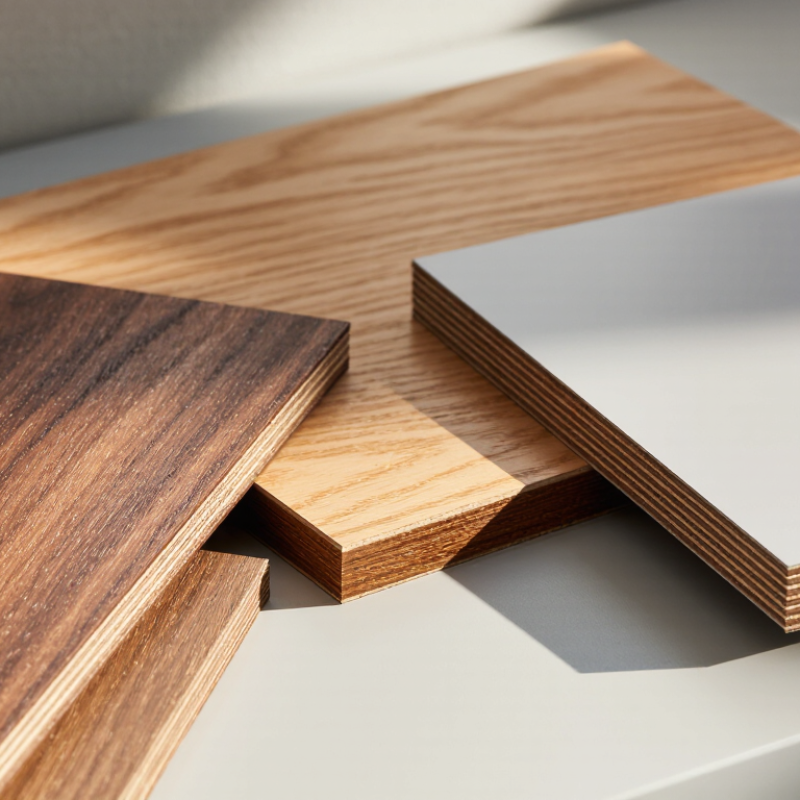
A walnut-look panel may use a natural veneer, reconstructed veneer, or printed surface. Each option changes color consistency, repairability, and price. The USDA Forest Products Laboratory’s Wood Handbook explains that moisture movement affects wood products differently across grain directions. That principle helps explain why core construction and balancing layers deserve careful inspection. A beautiful face cannot compensate for warping.
Certification also requires attention. FSC chain-of-custody documentation can support responsible sourcing, while laboratory test reports can clarify formaldehyde emissions and bonding performance. In the United States, EPA TSCA Title VI establishes emissions requirements for composite wood products. Other markets may apply different standards, so assumptions can become expensive.
This guide presents seven practical buying tips for Decorative Veneer Plywood. It covers veneer species, grade, thickness, core quality, surface defects, certification, and supplier verification. Look closely at sample edges, not just showroom faces. Check for open joints, telegraphing, delamination, and uneven sanding under side lighting.
One point deserves reflection. The lowest quotation may not represent the lowest total cost. Rejected panels, color mismatch, and installation delays can quickly outweigh a modest saving. Reliable decisions come from comparing documented specifications with real samples, while admitting that one sample cannot predict every production batch.
Define Your Project’s Purpose, Style, and Performance Needs
7 Tips for Buying Decorative Veneer Plywood
Define Your Project’s Purpose, Style, and Performance Needs
Start with the room. Define what the panel must do before judging its grain. A cabinet door needs a stable, smooth face and clean edges. Wall cladding may prioritize warmth, acoustic backing, or easy maintenance. A dining table demands resistance to abrasion, spills, and repeated wiping. During project planning, a quick sketch with dimensions prevents attractive but unsuitable purchases. Measure openings twice. Looks deceive.
Style should support the room, not overpower it. View veneer samples in daylight, warm lamps, and near existing flooring. Grain direction changes the perceived width of a door or wall. Book-matched faces look formal, while straight grain often suits smaller spaces. Ask for a full-size sample when possible. Small samples hide knots, color shifts, and joint lines. I once underestimated this difference; the installed panel looked darker than expected.
Performance depends on construction, not appearance alone. Check the plywood thickness, veneer quality, core uniformity, edge condition, and intended use in dry or humid areas. Confirm moisture guidance and indoor air-emissions documentation from the supplier. Seal exposed edges, especially around sinks or floor-level cabinets. Use compatible adhesives and finishes, then allow the panels to acclimate as directed. Do not expect a glossy coating to fix poor substrate preparation. That shortcut often fails. For unusual loads, ask a qualified professional to verify the specification before cutting.
7 Tips for Buying Decorative Veneer Plywood
Define Your Project’s Purpose, Style, and Performance Needs
Panel thickness should match the project’s structural and visual requirements. These commonly used thickness ranges provide a practical starting point for decorative interior applications.
Buying reminder: Treat these thicknesses as common starting points rather than universal specifications. Confirm the required span, load, moisture exposure, veneer appearance, core quality, and formaldehyde-emission rating before purchase.
Inspect Samples and Plan for Proper Storage, Cutting, and Installation
When buying decorative veneer plywood, inspect full-size samples under the room’s actual lighting. Small samples can hide color shifts, open veneer joints, or uneven grain. Check the face for bubbles, sanding marks, patches, and loose edges. Examine the core too. Tight, consistent plies usually indicate better machining stability. The USDA Forest Products Laboratory’s Wood Handbook reports that indoor wood commonly reaches 6–8% moisture content. Ask suppliers for moisture data when possible.
Storage matters immediately after delivery. Keep sheets flat, fully supported, and away from concrete floors, heaters, and direct sunlight. Cover the stack, but allow limited air circulation. Do not lean panels against a wall for several days. That shortcut can create permanent bowing. Acclimate plywood in the installation room, especially before cabinet or wall work. The APA Engineered Wood Association identifies moisture exposure and unsupported storage as major causes of panel movement and surface defects.
Cut from a stable table using a sharp, fine-tooth blade. Support both sides of the cut to reduce splintering. For veneered faces, test the cutting direction on an offcut first. Leave the manufacturer’s recommended expansion space during installation, even when the room seems dry. Seal exposed edges where moisture may enter. Even careful inspection is not foolproof; one overlooked flatness problem can become a visible joint after installation. Conforming to local building requirements and the panel’s technical data remains essential.


 Your message must be between 20-3,000 characters!