logo

2026 Top Modular Homes Trends for Global Buyers?

As we approach 2026, the appeal of modular homes continues to grow. These innovative structures offer flexibility and efficiency that traditional homes often lack. Buyers worldwide are increasingly attracted to the benefits modular homes provide, such as quicker construction times and energy efficiency.

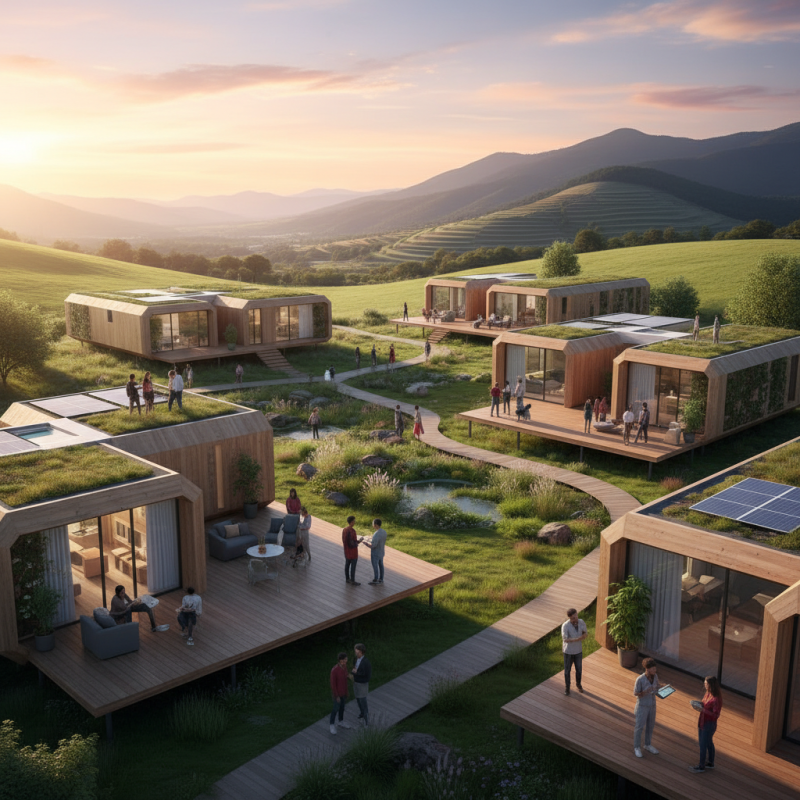
The trends in modular homes reflect a shift towards sustainability and personalization. Buyers now seek designs that meet their lifestyle needs while minimizing environmental impact. This approach not only embraces modern aesthetics but also promotes a deeper connection with nature. There are, however, evolving challenges in this market. Some buyers may feel overwhelmed by the vast options available or unsure about the quality assurances.

Ultimately, understanding these trends is essential for both buyers and manufacturers. The modular homes sector is rapidly changing, influencing purchasing decisions on a global scale. Staying informed can help buyers make better choices, ensuring they invest in homes that truly align with their values and aspirations.

2026 Top Modular Homes Trends for Global Buyers?

Exploring Modular Home Design Innovations for 2026

2026 Top Modular Homes Trends for Global Buyers?

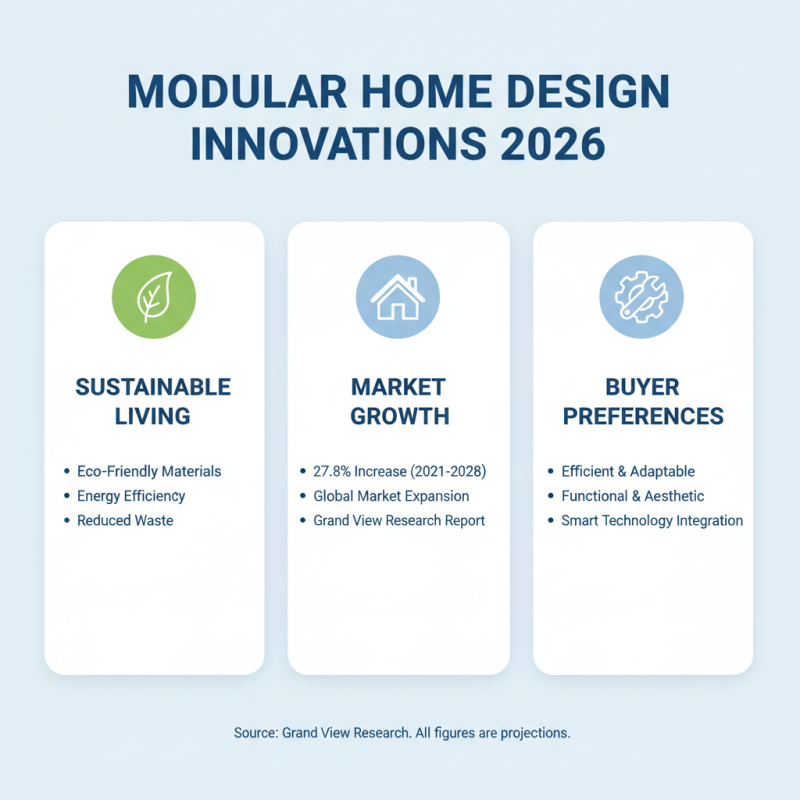
As we look towards 2026, modular home design innovations are reshaping how buyers perceive sustainable living. The global modular homes market is projected to grow by 27.8% from 2021 to 2028, according to a recent report by Grand View Research. This indicates an increasing preference for efficient, adaptable housing solutions. Buyers are seeking designs that blend functionality with aesthetic appeal, a trend reflected in the rising use of eco-friendly materials.

In 2026, modular homes will feature state-of-the-art technology. Smart home systems are becoming a standard. Homeowners will control lighting and climate through mobile apps. This integration of technology is not just about convenience; it enhances energy efficiency. Studies show that smart technologies can reduce energy use by up to 30%. However, the rapid adoption of these systems raises questions about data security and privacy.

Sustainable designs will also take center stage. Passive solar design and superior insulation will minimize energy consumption. Buyers want homes that are not only beautiful but also environmentally responsible. Despite the advantages, the initial cost of advanced materials may deter some buyers. Carries risks, especially if the market fluctuates. While innovation is essential, balancing cost and sustainability remains a challenge.

Sustainable Materials: Eco-Friendly Choices in Modular Construction

Sustainable materials are gaining traction in the modular construction industry. As global buyers become more eco-conscious, the trend towards greener choices is evident. Many builders are exploring recycled and renewable materials. This shift reduces waste and decreases the carbon footprint of new homes.

Wood, bamboo, and recycled steel are popular options. These materials offer durability and energy efficiency. However, sourcing these sustainably can be challenging. Not all suppliers follow strict environmental guidelines. Homeowners need to research their options carefully.

Another consideration is insulation. Eco-friendly insulation can lower energy bills and enhance comfort. Choices like sheep's wool or spray foam made from recycled content are gaining attention. Yet, the effectiveness of these materials varies. Buyers must weigh performance against their environmental impact.

Exploring these sustainable solutions can lead to better choices in modular construction.

Smart Home Technology Integration in Modular Homes

Smart home technology is reshaping the modular housing landscape. Many buyers are seeking homes that integrate advanced technology seamlessly. This trend is driven by the desire for convenience and energy efficiency. Features like smart thermostats, automated lighting, and security systems enhance everyday living. These elements not only add comfort but also improve energy management, reducing overall costs.

However, moving towards smart home integration poses challenges. One significant issue is the interoperability of different devices. Not all smart systems communicate effectively with one another. Homeowners may find themselves frustrated with varying technologies that don’t work as expected. This issue can lead to a less than optimal living experience, calling for careful consideration before making choices.

Further, the investment in smart technology can be substantial. Buyers may need to balance the benefits of automation with potential maintenance costs. Smart systems require updates and sometimes repairs, which can add to overall expenses. The desire for a high-tech home must be weighed against practicality. Achieving a perfect balance between innovation and functionality remains a pressing concern for potential buyers.

2026 Top Modular Homes Trends for Global Buyers

Trend Description Benefits Adoption Rate (%)
Smart Home Integration Utilization of IoT devices for enhanced home automation. Improved convenience and energy management. 75
Sustainable Materials Use of eco-friendly and sustainable building materials. Reduction in environmental impact. 68
Energy Efficiency High-performance insulation and energy-efficient systems. Lower utility bills and minimized energy consumption. 82
Customizable Designs Options for buyers to personalize layouts and features. Increased buyer satisfaction and market appeal. 74
Smart Security Systems Advanced security features like cameras and alarms. Enhanced safety and peace of mind for homeowners. 70

Global Market Preferences: Regional Trends in Modular Housing

The modular housing market is rapidly evolving, shaping preferences across different regions. In North America, buyers are increasingly drawn to sustainable materials. Eco-friendly designs are a priority. These homes often feature energy-efficient systems. This trend reflects a growing awareness of environmental issues.

In Europe, urbanization drives demand for compact living spaces. Modular homes are a response to limited urban land. Many buyers seek innovative designs that maximize utility. Yet, some worry about the loss of traditional home aesthetics. This tension calls for a balance between modernity and cultural heritage.

In Asia, customization is pivotal. Buyers want homes tailored to their preferences. This has led to diverse architectural styles. There are challenges in meeting these varied demands. Builders must adapt to regional tastes while ensuring quality. Such complexities highlight the need for continuous innovation in modular housing.

Financing and Investment Opportunities for Modular Home Buyers in 2026

2026 Top Modular Homes Trends for Global Buyers?

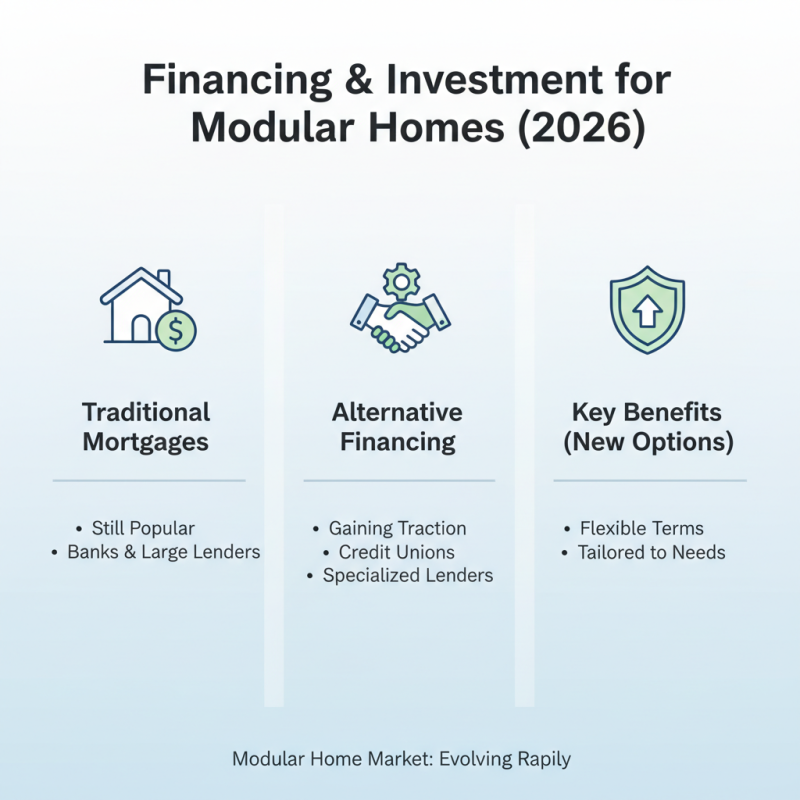
The modular home market is evolving quickly. In 2026, buyers might explore new financing options. Traditional mortgages may still be popular, but alternative financing is gaining traction. Many buyers look for loans from credit unions and specialized lenders. These options often come with flexible terms that suit unique needs.

Investing in modular homes can be a wise choice. These homes typically cost less to build and maintain, making them financially appealing. However, buyers should conduct thorough research. They need to understand local regulations and shipping costs. Few realize that the foundation is as crucial as the home itself. An inadequate foundation can lead to costly repairs down the line.

Buyers should also consider energy efficiency. Many modular homes come with eco-friendly features, which can lower utility bills. However, not all companies prioritize sustainability, and choices vary widely. Opting for a home that balances aesthetics and practicality is essential. Missteps can happen in the excitement of buying. Always take time to review options before making a commitment.